
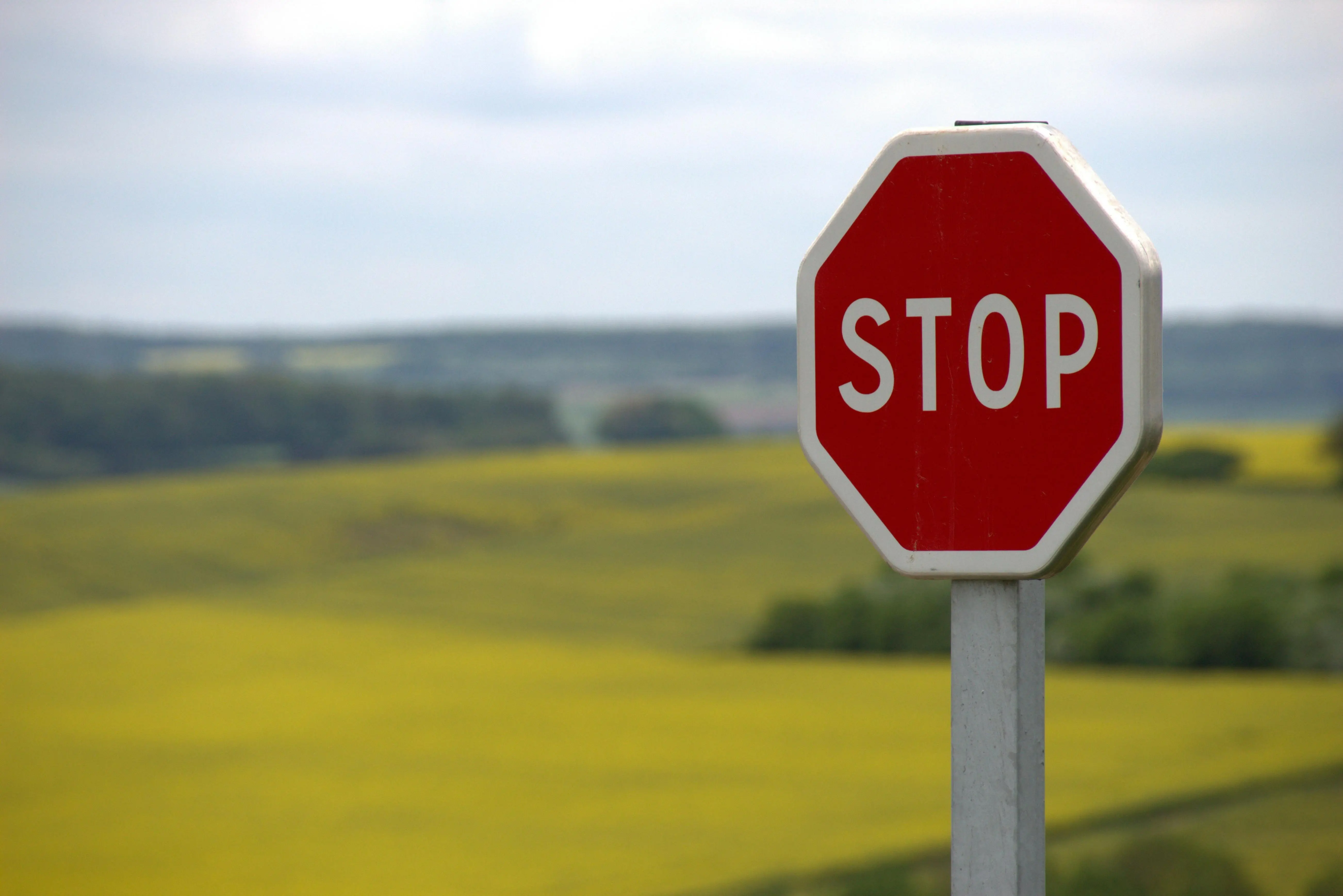
Driving Rules in Albania – What Tourists Should Know
Understand local traffic laws, road conditions, and safety tips before driving in Albania.
Documents to Carry
Keep these with you at all times while driving:
- Valid driver's licence
- Passport or national ID
- Rental agreement
- Vehicle insurance documents
An International Driving Permit is recommended if your licence uses a non-Latin script. Most EU licences are accepted without one, but it's worth carrying if there's any ambiguity.
Speed Limits
| Road Type | Limit |
|---|---|
| Urban areas | 40 km/h |
| Outside cities | 80 km/h |
| Highways | 110–130 km/h (varies by section) |
Speed cameras are in use, particularly on the approaches to major cities, and police checks are common during summer months. Don't assume other drivers are respecting limits — drive defensively regardless.
Road Conditions
Main highways connecting major cities are in good condition and well-maintained. Secondary and rural roads are a different story. Mountain roads can be narrow with sharp curves, rural routes may have potholes, and street lighting outside towns is limited or absent.
If your itinerary includes Theth, the Albanian Alps, or remote villages, allow extra time and avoid driving after dark where possible. The roads are manageable, but they demand full attention.
Parking
In Tirana and other larger cities, the system is straightforward once you know it. Blue-marked spaces are paid parking, white-marked spaces are free, and unmarked areas are generally not for parking. In practice, enforcement varies by neighbourhood, but fines are issued regularly and vehicles are towed — particularly in central Tirana.
In coastal towns and mountain villages, parking is usually more informal, but use common sense and never block access roads or driveways.
Fuel
Petrol stations are widely available on national roads and near most towns, though they thin out considerably in mountain and rural areas. Most accept both cash and card.
Before your first refuel, confirm whether your rental car runs on petrol or diesel — misfuelling is an expensive and avoidable mistake, and one that rental companies will not cover.
Local Driving Culture
Albanian driving has its own rhythm. Expect frequent overtaking, liberal use of the horn, and not everyone signalling consistently. It isn't chaotic so much as assertive — and once you adjust your expectations, it becomes easier to read.
The practical response is simple: keep your distance, stay calm, and don't feel pressured to match the pace of more aggressive drivers. The roads reward patience.
Winter Driving
Travel between December and February requires extra preparation, particularly if you're heading north or into the mountains. Snow chains may be legally required on certain mountain passes, roads in the Albanian Alps can be icy, and conditions can change quickly.
Check the weather forecast before any mountain drive in winter and confirm with your rental company whether chains are included or need to be sourced separately.
General Rules to Know
- Seat belts are mandatory for all passengers
- Mobile phone use while driving is prohibited without hands-free
- Albania's drink-drive limit is very low — treat it as zero for practical purposes
- Headlights must be on at all times outside urban areas, regardless of conditions
The Bottom Line
Driving in Albania opens up coastline, mountain passes, and historic towns that public transport simply doesn't reach. Stay alert, know the rules, and give yourself more time than you think you need on unfamiliar roads.
The country rewards the effort.

